All Categories
Featured
Table of Contents
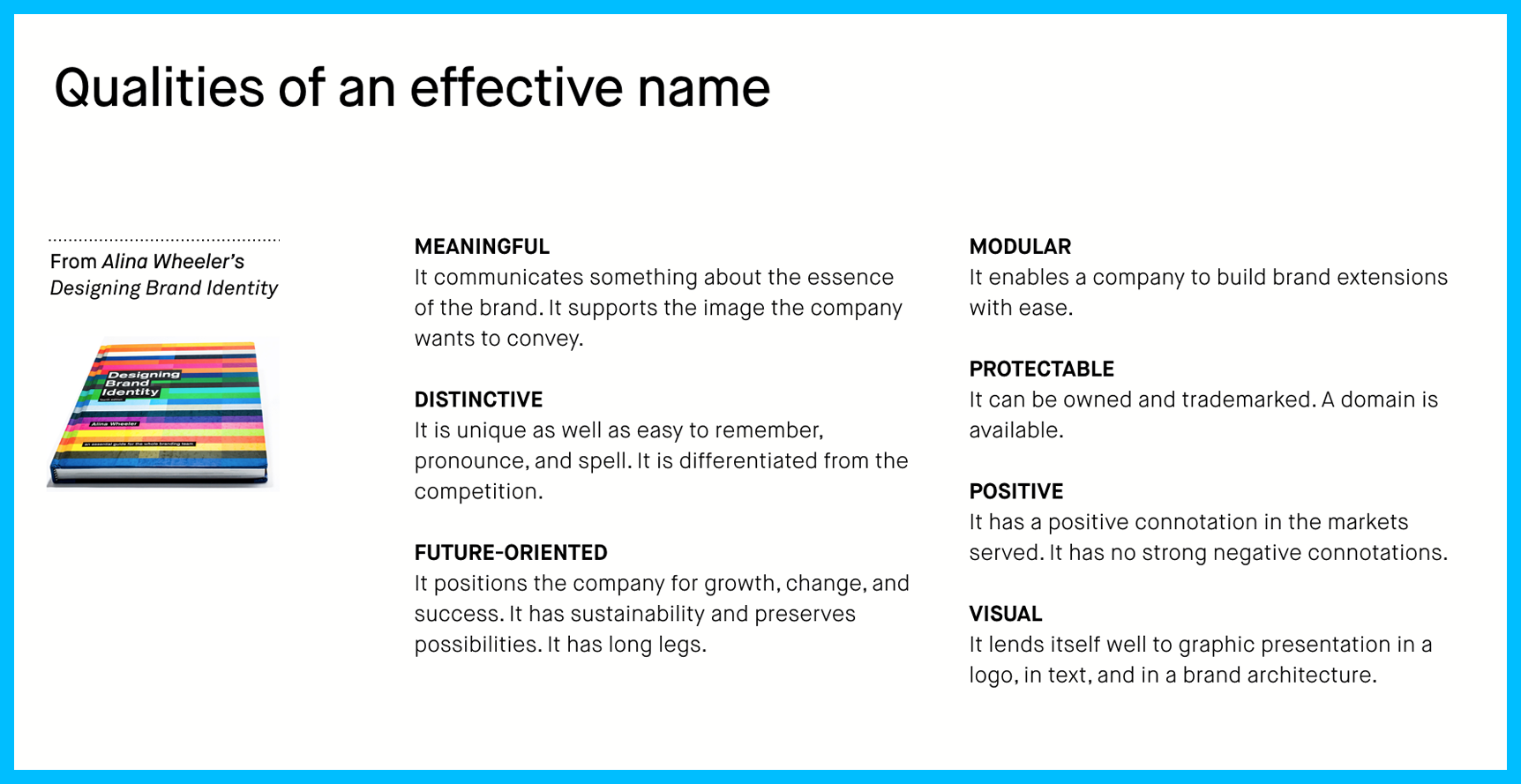
When creating names, think about these useful techniques:: Directly communicate your item or service: Usage symbolic language that means your brand's worths: Create unique, remarkable words: Mix appropriate words or word fragmentsEnsure your potential names are: Easy to pronounceMemorableAvailable as a domain nameNot currently trademarkedCulturally sensitiveRemember, your start-up name is more than a label.
Should You Start An LLC This Year?Choose sensibly, test extensively, and choose a name that not only sounds excellent but strategically positions your start-up for success in 2025's competitive landscape. Here's a table summarizing different startup calling techniques and their characteristics, to assist you choose which might suit your brand best: Naming ApproachDescriptionExample BenefitsDescriptive NameDirectly communicates item or serviceClarity, immediate recognitionMetaphorical NameSymbolic, recommends a principle or valueEmotional connection, uniquenessInvented NameCompletely new or blended wordDistinctiveness, simple trademarkCombination NameMerges different words or word fragmentsMemorability, brandable Browsing the startup calling process is filled with possible pitfalls that can undermine your brand name's capacity from the very beginning.
Regulatory Steps to Start An LLC TodayAccording to Rivier University, new creators typically fall into traps of overcomplexity. Avoid using unconventional spellings that make your organization difficult to discover online or remember. Made-up words and cryptic acronyms might seem innovative, but they often puzzle potential consumers and produce unnecessary barriers to brand recognition. The Florida Small Company Advancement Center warns that names too similar to rivals can cause legal challenges and brand name confusion.
Essential Business Branding Tips
Find out more about browsing early founder obstacles to prevent typical startup risks. Bplans highlights important calling mistakes that can stunt your start-up's development. Picking a name that lacks exclusivity might appear unimportant now, but it can develop significant challenges when you want to expand or potentially offer your business. Key warnings to avoid consist of: Names tied to particular geographical locationsPersonal names that make complex future organization transitionsOverly fashionable terms that may rapidly become datedNames that unintentionally limit your market or service scope Successful startup identifying needs a balance between imagination and practicality.
It's the impression potential consumers, investors, and partners will have of your venture. Require time to research, get feedback, and guarantee your name really represents your startup's mission and potential. Eventually, an excellent name ought to be unforgettable, significant, and malleable enough to grow with your company. When in doubt, simplicity and clarity must be your guiding concepts.
This crucial phase ensures your name resonates with your target market and supports your long-lasting service goals. The Lassonde Business Owner Institute recommends an organized five-step method to call selection. Start by developing a creative brief that specifies your brand's core instructions. Next, apply SEO strategies to guarantee online exposure. Rank your top 10 name concepts based upon key aspects like memorability, uniqueness, and prospective market appeal.
Conduct comprehensive internet and trademark searches to ensure your selected name isn't currently in usage. Securing the.com domain is vital, but don't let domain schedule entirely dictate your option.
Dropshipping Basics Beginners
Secret confirmation actions include: Trademark database searchesDomain name schedule checksSocial media manage availabilityInternational naming considerationsHere's a checklist table summarizing the important confirmation steps you should finish before completing your startup name: Verification StepPurposeCompleted? Trademark searchAvoids legal concerns and name conflictsDomain name schedule checkEnsures web presence can be establishedSocial media manage availabilityConfirms brand name consistency throughout platformsInternational checksPrevents issues with significance in other languagesInformal audience testingReveals impressions and pronunciation problems Before making a decision, collect external point of views.
Take note of: Preliminary emotional reactionsEase of pronunciationMemorable qualitiesPotential misinterpretationsCultural and linguistic nuancesBe prepared to repeat. The ideal name may require slight adjustments or might emerge through this feedback process. Bear in mind that naming is both an art and a science. While information and research study are crucial, there's likewise an intangible quality to a genuinely terrific start-up name.
Take your time, be thorough, and trust the process. The best name can be a powerful foundation for your brand's future success. When calling your start-up, consider aspects such as ease of pronunciation, memorability, digital availability (e.g., domain names and social networks deals with), and cultural interpretability to ensure it resonates globally and lines up with your brand identity.
How to Form an LLC Successfully
A strong start-up name is important for bring in financiers due to the fact that names that are easier to pronounce and remember typically lead to higher levels of recognition and perceived value, straight influencing investor interest and trust in your business. Prevent naming mistakes such as using excessively intricate or hard-to-pronounce names, choosing names too similar to competitors, and neglecting legal implications like trademark disputes.

Latest Posts
Defining Community-Led Growth in 2026
Predicting Value with Machine Learning in 2026
Predicting Value with Machine Learning in 2026