All Categories
Featured
Table of Contents
, has actually developed a number of online courses that specific niche yoga down even more. This hyper-specific specific niche lets her customers know that she has the expertise to help them with the back pain they're dealing with.
Other specific niches would include the unique writing procedure or standard publishing. There are ways to niche painting down even more.
Baking is another market that has a great deal of possible specific niches. In this example, Teachable instructor Darlene Abarquez has created a number of online courses that teach students how to bake and decorate cakes. Other specific niches in the baking market consist of cookies and cookie decorating, chocolate making, cupcake baking, and so a lot more.
This online course teaches students the essentials of harmonica as well as how they can end up being more skilled gamers. Despite what you may think, a specific niche business doesn't imply you're the only one who offers a specific product or teaches a particular course.
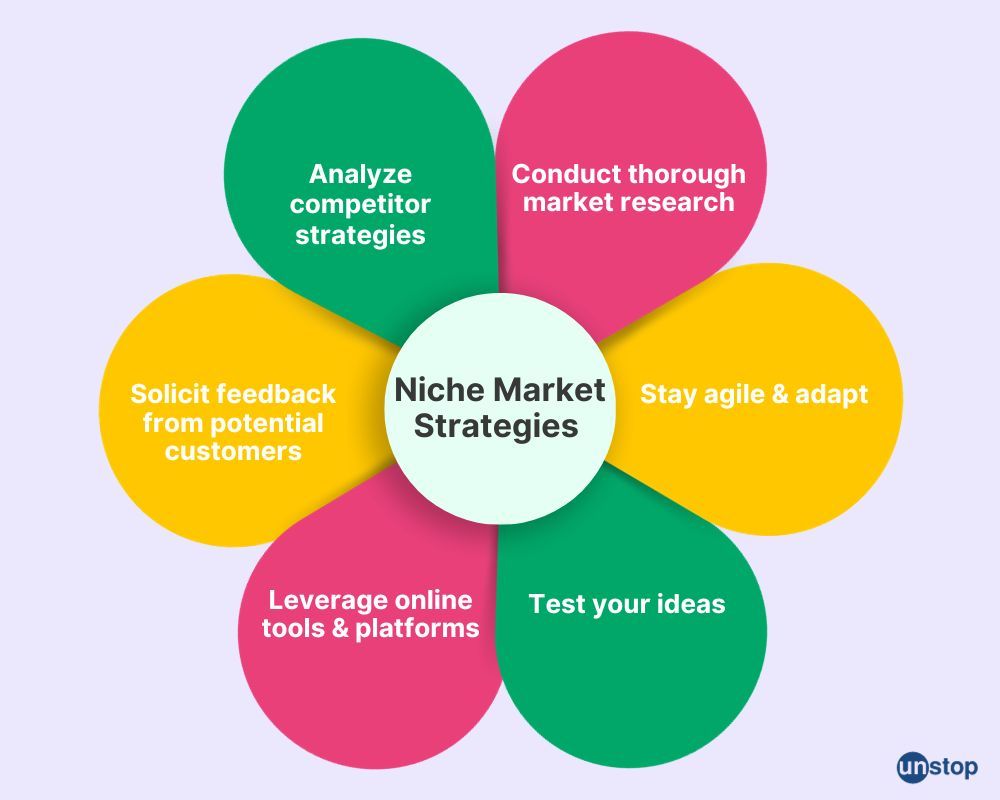
How Niche Focus Boosts Business Growth
Rather frequently you can narrow down your company idea by asking yourself the best concerns and taking a concept one step even more. You can discover your niche organization by asking yourself concerns like: What type of baking am I particularly passionate about? You might ultimately narrow your concept down to a course on "Newbie's guide to baking vegan pastries".
When discovering how to select a niche for your organization or online course, merely follow these seven actions. Action 1: Review your abilities and strengths to information the methods you've been most practical to others throughout your profession. Step 2: Clarify a couple of overall life goals and ambitions to drive your organization ideas.
This will make running a business that much more satisfying! Step 4: Recognize your niche market and your target customersknowing who you're selling to is essential here. Step 5: Pick an organization type: physical items vs. digital productsStep 6: Determine the marketplace need through market and audience researchStep 7: Craft your distinct brand name.
Identifying a Profitable Niche Market
Viewpoints revealed by Entrepreneur contributors are their own. In their book,, the staff of Business owner Media, Inc. guides you through the crucial steps to beginning a company, then supports you in making it through the very first three years as a company owner. In this edited excerpt, the authors explain how you can discover the best niche for your entrepreneurial needs.
Before you go any further, the next action is finding out simply who your market is. There are two fundamental markets you can offer to: consumer and business. These departments are relatively obvious. For example, if you're selling women's clothing from a store, your target audience is consumers; if you're selling office materials, your target audience is companies (this is referred to as "B2B" sales).
Walmart and Tiffany are both merchants, but they have really various specific niches: Walmart caters to bargain-minded consumers, while Tiffany appeals to upscale fashion jewelry consumers."Lots of people talk about "discovering' a niche as if it were something under a rock or at the end of the rainbow, ready-made.
Excellent specific niches don't just fall into your lap; they must be thoroughly crafted. Instead of producing a niche, numerous business owners make the error of falling under the "all over the map" trap, declaring they can do lots of things and be excellent at all of them. These individuals rapidly discover a difficult lesson, Falkenstein cautions: "Smaller is bigger in business, and smaller sized is not all over the map; it's extremely focused."Producing an excellent specific niche, Falkenstein recommends, involves following a seven-step procedure: With whom do you desire to operate? Be as specific as you can.

Your niche isn't the same as the field in which you work. A retail clothing business is not a specific niche but a field.
How to Select a Catchy Startup Name
Your specific niche ought to occur naturally from your interests and experience. If you invested 10 years working in a consulting firm but also invested 10 years working for a little, family-owned organization, you may choose to begin a consulting organization that specializes in small, family-owned companies.
The very best method to do this is to talk to prospective consumers and identify their primary concerns. At this phase, your niche needs to begin to take shape as your ideas and the customer's wants and needs coalesce to develop something new. A great niche has 5 qualities: It takes you where you desire to goin other words, it conforms to your long-term vision.
It's carefully planned. It's unique, the "only video game in town."It progresses, enabling you to develop various revenue centers and still retain the core service, hence guaranteeing long-lasting success. Now it's time to assess your proposed item or service against the 5 requirements in Action 4. Perhaps you'll find that the specific niche you had in mind requires more service travel than you're all set for.
Ditch it, and move on to the next concept. Once you have a match in between niche and product, test-market it. "Provide people an opportunity to purchase your product or servicenot simply theoretically but really putting it out there," Falkenstein suggests. This can be done by offering samples, such as a free mini-seminar or a sample copy of your newsletter.
Expert Startup Naming Tips for New EntrepreneursFear not: If you did your research, entering the market will be a calculated risk, not simply a gamble. In their book,, the personnel of Entrepreneur Media, Inc. guides you through the important steps to beginning a company, then supports you in enduring the first three years as a service owner.
How to Develop a Catchy Company Name
You've come up with an excellent concept for a company, but you're not ready to roll. There are two standard markets you can offer to: customer and service.
In some casesfor example, if you run a printing businessyou might be marketing to both businesses and people.

Latest Posts
Defining Community-Led Growth in 2026
Predicting Value with Machine Learning in 2026
Predicting Value with Machine Learning in 2026