All Categories
Featured
Table of Contents
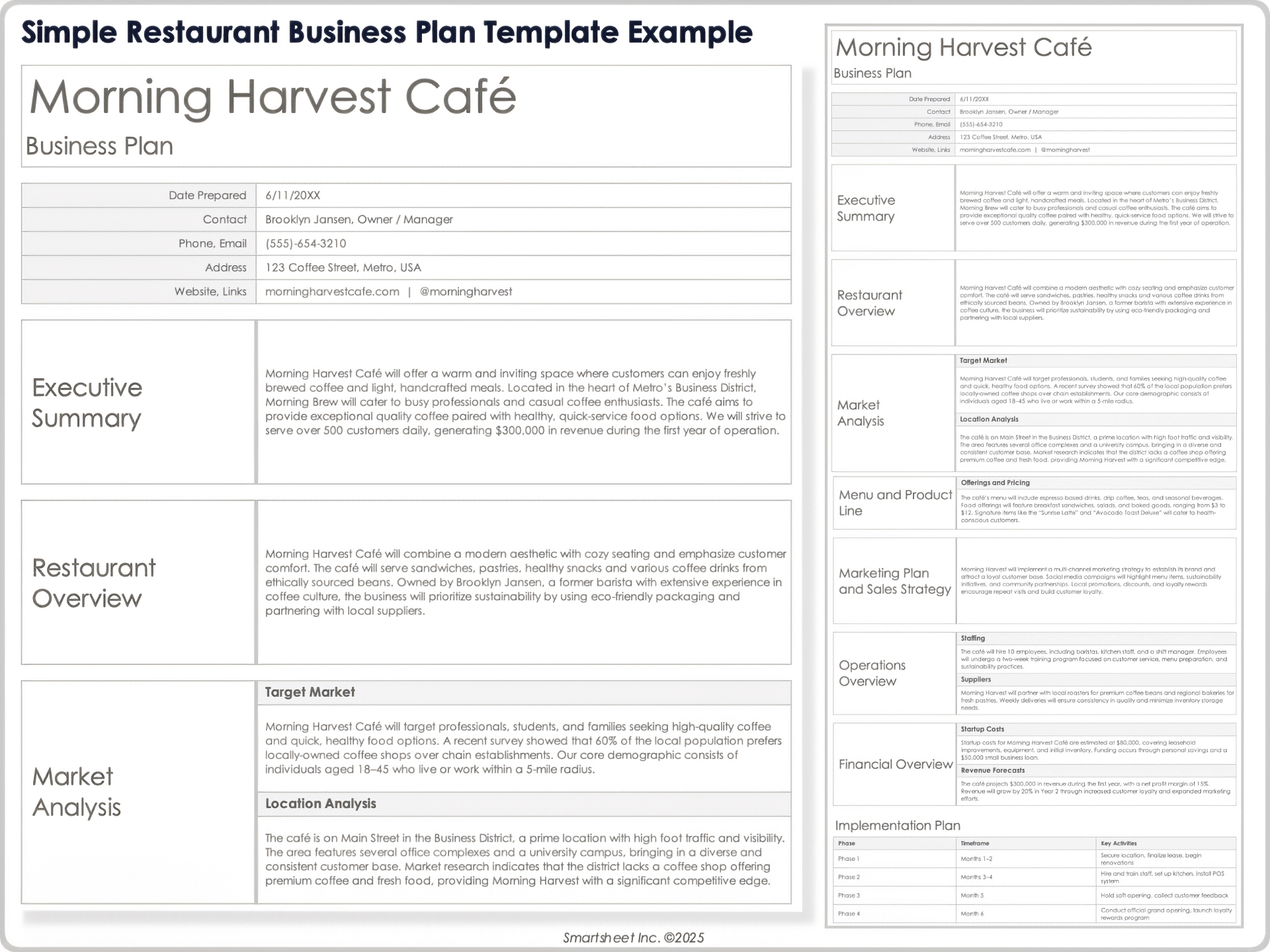
Here are the essential elements to consist of in your organization strategy outline: Believe of the executive summary as your elevator pitch a succinct business introduction catching the essence of your strategy. Craft a concise and compelling business summary, highlighting your: Purpose. Target market.
Conduct a thorough analysis of your target market. Assess the industry landscape, identifying your target market, its size, demographics, needs, and purchasing habits.
Evaluate market patterns, potential risks and opportunities. Traditional plans include a marketing plan with details on marketing channels and pricing strategies. Overview strategies for reaching your target audience and promoting your offerings. Specify your marketing channels (like social media, email, or marketing). Overview marketing and sales tactics. Specify your pricing strategy and how it lines up with your value proposal.
The Evolution of Lean Management in 2026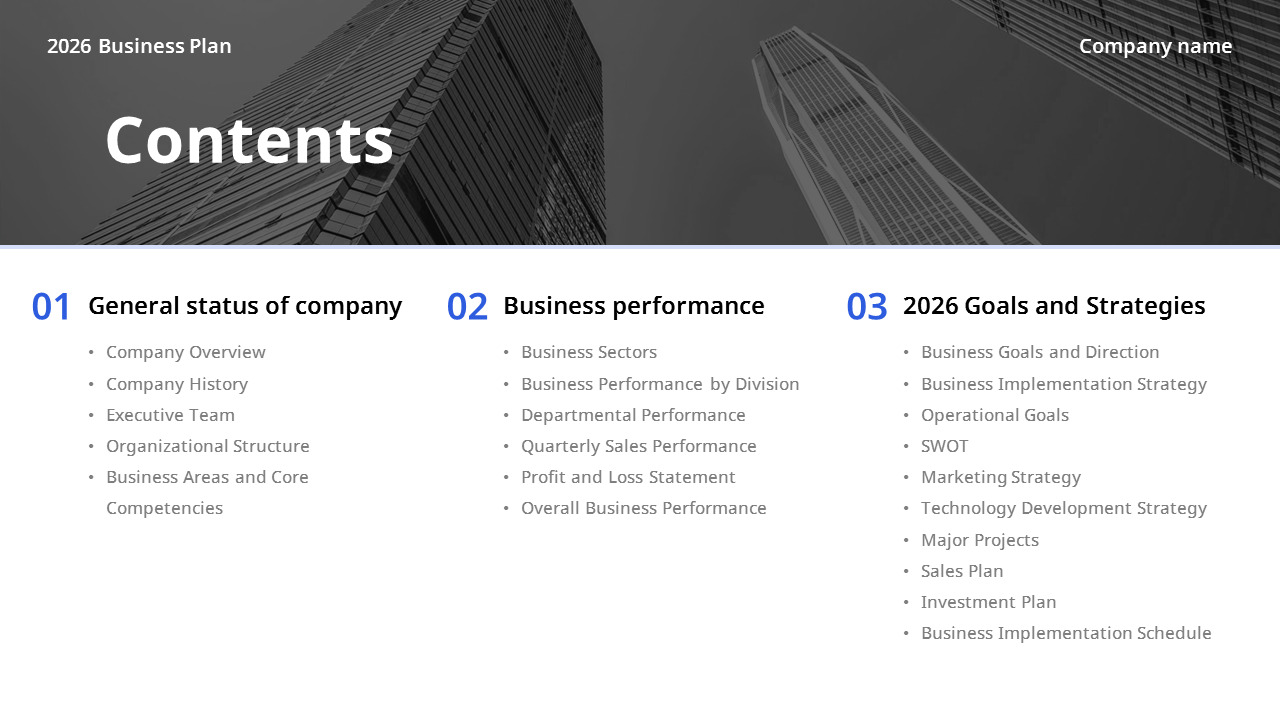
Highlight their functions and obligations, showcasing their strengths and certifications. Stress their certifications and capability to perform your strategy. Build trust and self-confidence in your leadership's capability to perform your strategy. Establish realistic monetary plans and projections for the next several years, including profits streams, costs, and success. Forecast your monetary efficiency for the next 3-5 years, including profits streams, expenses and revenues.
Demonstrate the monetary practicality of your organization and potential for return on investment. Consist of supporting documents to offer additional context and enhance the trustworthiness of your service plan: Market research reports.
Finding Your Niche Before Branding Your Startup
Compared to a conventional service plan, a lean business plan is a one-page service plan concentrated on experimentation, version and knowing. Here are the essential components to consist of in your lean startup business plan: Plainly articulate the specific problem your organization resolves in such a way that resonates with your target audience.
Explain how your option sticks out from existing alternatives and why it's the better choice. Focus on your value proposition: Why should customers choose you over existing options? Explain one of the most standard version of your service or product your minimum viable product that can be evaluated with real customers. Do not get slowed down in a feature-packed MVP.
Get feedback from early adopters to verify your assumptions and repeat rapidly. Define your ideal customer segments, including demographics, needs and discomfort points.
Researching Your Niche Before Branding Your Company
Detail your initial channels and techniques for reaching your target market. Pick particular metrics to track your client validation procedure. Specify crucial learning objectives to evaluate your progress. Outline your consumer validation techniques, consisting of metrics and crucial knowing objectives. Describe your preliminary channels and tactics for client acquisition and development.
Focus on efficient channels and tactics for target client acquisition. Focus on traction and acquiring a foothold in the market rather than substantial marketing and sales strategies.
Note your essential activities, concentrating on efficiency and very little resource requirements. Identify key group members with the needed abilities and competence. Keep in mind the tools needed to support operations. Do not get bogged down in in-depth financial strategies or modeling at this stage. Usage streamlined projections for internal preparation and potential financier communications.
Use these projections to track development, make notified choices, and attract investors. Create a clear roadmap for MVP development, consumer recognition and market launch. Outline a roadmap that includes turning points and due dates for each stage of development, validation and launch. Break down the strategy into workable jobs to maintain momentum and track development.
The Evolution of Lean Management in 2026Innovative Leadership and 2026 Entrepreneurs
Whether you're picking conventional or lean, follow these actions for creating an effective business strategy: The very first (and essential) step is to comprehend the audience and determine your goals. Determine whether you'll require a conventional or lean strategy, so you can customize your content and structure. Draw in investors, safe and secure loans, or guide internal operations.
Knowing your objectives is crucial to developing a good company strategy that aligns with your goals and sets a clear path for success. Optimize your organization preparing efforts by carrying out thorough research study. Start by collecting all of the pertinent information and details that will shape your service plan overview, consisting of market research, competitor analysis, and financial projections.

Latest Posts
Defining Community-Led Growth in 2026
Predicting Value with Machine Learning in 2026
Predicting Value with Machine Learning in 2026